How to Choose the Right Nonstick Pan for Your Kitchen
Choosing a nonstick pan involves navigating a range of options, each with distinct characteristics. The decision often depends on cooking habits, heat sources, and maintenance preferences. Understanding the materials and construction helps in making an informed choice that aligns with individual needs.
This article examines key factors such as coating types, pan thickness, and handle design. It also considers how these elements interact with different cooking styles. The goal is to provide a framework for evaluating nonstick pans without advocating for a single best option.
By focusing on objective criteria, cooks can assess which pan might suit their kitchen. Cookware Guide offers additional resources for those seeking further information.
Understanding Nonstick Coatings: PTFE and Ceramic
Nonstick pans typically feature either PTFE (polytetrafluoroethylene) or ceramic coatings. PTFE, a synthetic polymer, provides a slick surface that reduces the need for oil. Ceramic coatings, often made from inorganic materials like silicon dioxide, offer a different set of properties. Each type has advantages and limitations that influence performance and care.
PTFE coatings are known for their durability and consistent release properties. They can withstand repeated use if cared for properly. However, they may degrade at high temperatures, releasing fumes that require ventilation. Ceramic coatings are generally free from PTFE and PFOA, appealing to those seeking alternatives. They are more prone to losing their nonstick quality over time, especially with high heat or abrasive utensils.
When comparing, consider heat tolerance, lifespan, and ease of cleaning. PTFE pans often require lower heat settings, while ceramic pans may need more careful temperature management. Both types benefit from hand washing to preserve the coating. The choice between them depends on cooking techniques and tolerance for maintenance.
The Role of Pan Thickness and Construction
Pan thickness affects heat distribution and durability. A thicker pan, often measured by the gauge of the aluminum core, tends to heat more evenly and resist warping. Thinner pans may heat quickly but can develop hot spots, leading to uneven cooking. The base material, typically aluminum or stainless steel, also influences performance.
Aluminum cores are lightweight and conduct heat well, but may require a thicker gauge to prevent warping. Stainless steel bases offer durability and compatibility with induction cooktops, though they can be heavier. Some pans combine materials to balance these traits. The overall construction, including the bond between layers, impacts how the pan performs over time.
For everyday cooking, a medium-thick pan often provides a good balance. For high-heat searing, a thicker pan may be preferable, but nonstick coatings are generally not suited for high heat. Consider the weight and maneuverability, especially if lifting the pan is necessary. Thickness also affects how the pan responds to temperature changes.
Handle Design and Ergonomics
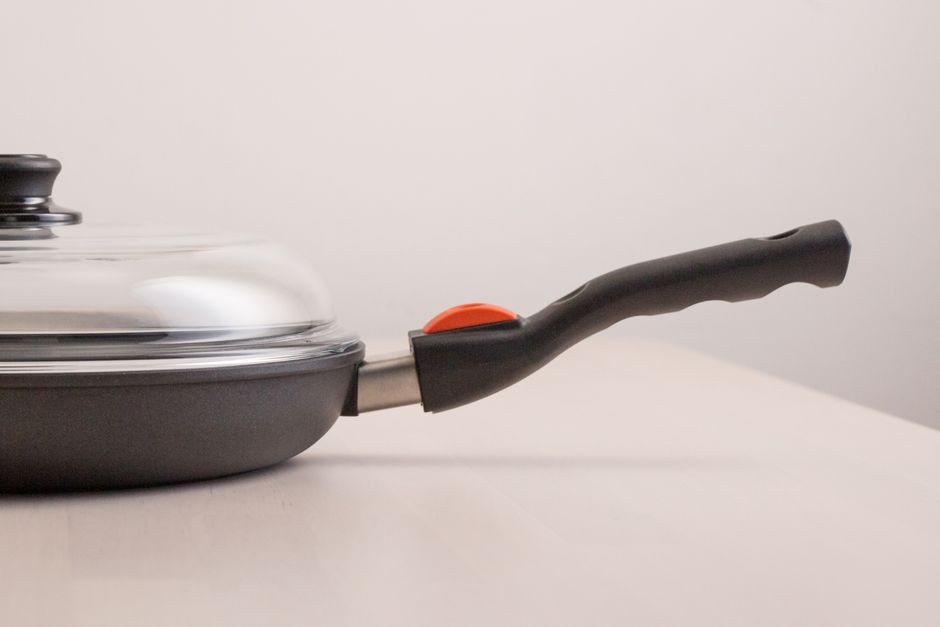
Handles are a critical but often overlooked component. They affect comfort, control, and safety. Materials range from heat-resistant plastics to stainless steel and silicone. The shape and length of the handle determine how well the pan balances in the hand. A well-designed handle stays cool on the stovetop and provides a secure grip.
Riveted handles are durable but may loosen over time. Screwed handles can be tightened but may harbor bacteria if not cleaned properly. Welded handles offer a smooth interior but may be less common. The handle’s attachment method influences the pan’s longevity and ease of cleaning.
For those with limited hand strength, lightweight handles and ergonomic shapes can reduce strain. Oven-safe handles, often made of metal, allow the pan to transition from stovetop to oven, but they can become hot. Consider how the handle feels during typical tasks like tossing or flipping. Testing the handle in person, if possible, provides the best assessment.
Matching the Pan to Your Cooking Style
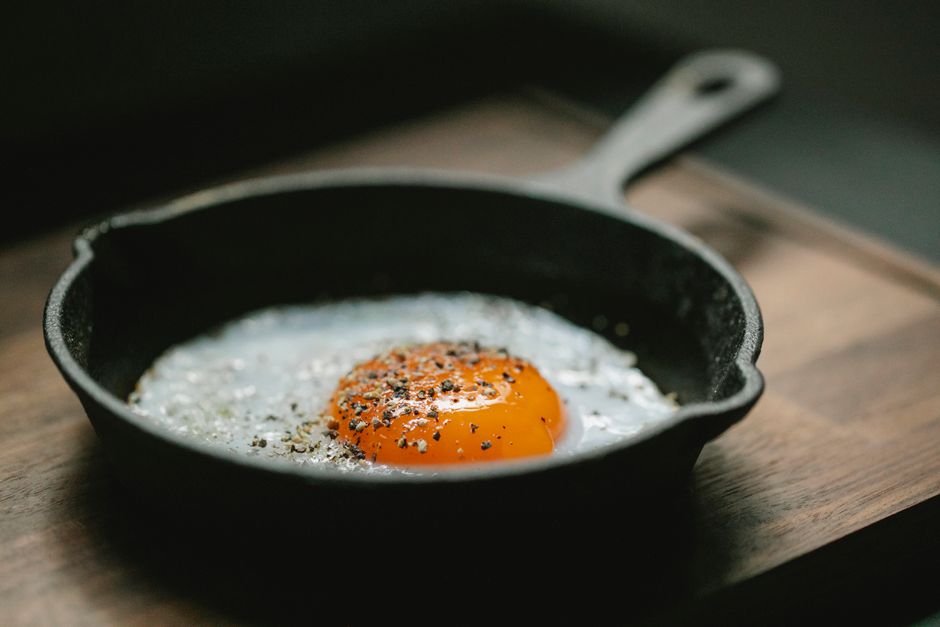
Cooking style encompasses techniques, frequency, and types of food prepared. Someone who frequently cooks delicate foods like eggs or fish may prioritize a reliable nonstick surface. A person who often sears meats might need a pan that can withstand higher temperatures, though nonstick coatings have limits. The pan’s size and shape should accommodate typical portion sizes and stove burners.
For low-fat cooking, a nonstick pan reduces the need for oil, but the coating’s condition matters. For dishes requiring high heat, such as stir-fries, a nonstick pan may not be ideal due to potential coating degradation. In such cases, alternative cookware might be more suitable. Assess how often the pan will be used and for what purposes.
Cleaning and storage habits also play a role. Dishwasher-safe pans offer convenience but may shorten the coating’s life. Hand washing is often recommended to maintain nonstick properties. Storage solutions that prevent scratching, such as hanging or using protectors, can extend the pan’s usability.
Evaluating Durability and Care Requirements
Durability depends on the coating quality, pan construction, and user care. PTFE coatings generally last longer than ceramic ones, but both can degrade with misuse. Avoiding metal utensils, high heat, and sudden temperature changes helps preserve the coating. Following the manufacturer’s instructions is essential.
Warranties and brand reputation can indicate expected lifespan, but they do not guarantee performance. Some pans come with limited warranties that cover defects but not normal wear. Reading reviews and understanding return policies can inform the purchase decision. However, individual experiences vary based on usage patterns.
Care requirements include washing by hand with mild soap, avoiding abrasive cleaners, and storing carefully. Over time, even well-cared-for pans may lose their nonstick properties. Recognizing when to replace a pan is part of responsible kitchen maintenance. Signs include scratching, peeling, or food sticking consistently.
Making an Informed Decision
Selecting a nonstick pan involves weighing coating type, thickness, handle design, and personal cooking habits. There is no universal best choice; the right pan depends on individual priorities and constraints. Considering factors such as heat sources, maintenance willingness, and budget helps narrow options.
Cookware Guide suggests that consumers compare products based on these criteria rather than marketing claims. Testing pans in person, when possible, provides valuable insight. Reading independent reviews and understanding return policies can also reduce uncertainty.
Ultimately, the goal is to find a pan that supports cooking enjoyment and meets practical needs. By focusing on objective features and realistic expectations, cooks can make a choice that works for their kitchen.