The Best Wooden Utensils for Cooking and Their Maintenance
Wooden utensils have been a staple in kitchens for centuries, valued for their durability, heat resistance, and gentle touch on cookware. Unlike metal utensils that can scratch surfaces, or plastic ones that may melt or harbor bacteria, wooden utensils offer a natural, non-reactive option that is safe for all types of cookware, including non-stick, cast iron, and stainless steel. In this article, we will explore why maple, beech, and bamboo are among the best choices, and provide a comprehensive guide to maintaining them through proper oiling and cleaning.
Choosing the right wooden utensils involves understanding the properties of different wood types. Maple, beech, and bamboo each have unique characteristics that make them suitable for various cooking tasks. Beyond selection, proper care is essential to ensure longevity and hygiene. This guide covers the benefits, selection criteria, and maintenance routines that can help you keep your wooden utensils in optimal condition.
Whether you are a seasoned chef or a home cook, incorporating wooden utensils into your kitchen can enhance your cooking experience. By following the maintenance practices outlined here, you can enjoy the benefits of wooden utensils for years to come. Let’s delve into the details.
Why Wooden Utensils Are Gentle on Cookware
Wooden utensils are inherently softer than metal, which makes them less likely to scratch or damage the surfaces of your pots and pans. This is particularly important for non-stick cookware, where even minor scratches can compromise the coating and reduce its effectiveness. When you stir with a wooden spoon, the wood yields slightly upon contact, absorbing some of the force and minimizing the risk of abrasion. This gentle interaction helps preserve the integrity of your cookware, extending its lifespan.
Furthermore, wood is a poor conductor of heat, so wooden utensils remain cool to the touch even when used in high-temperature cooking. This property makes them ideal for stirring simmering sauces or sautéing vegetables without the risk of burning your hand. Unlike metal utensils that can become hot quickly, wooden ones provide a comfortable grip and reduce the need for potholders or towels. Additionally, wood is non-reactive, meaning it won’t impart any metallic taste or react with acidic foods like tomato sauce or lemon juice, ensuring that the flavor of your dishes remains pure.
Another advantage of wooden utensils is their natural antibacterial properties. Studies have shown that wood can inhibit the growth of certain bacteria, making it a hygienic choice when properly maintained. The porous nature of wood allows it to absorb and trap bacteria, which then die off as the wood dries. However, this same porosity means that wooden utensils require regular cleaning and oiling to prevent them from becoming a breeding ground for harmful microorganisms. Proper care is therefore crucial to harness the benefits of wood while ensuring food safety.
Maple, Beech, and Bamboo: Characteristics and Benefits
When selecting wooden utensils, the type of wood matters. Maple, beech, and bamboo are popular choices due to their hardness, durability, and availability. Maple is a dense, hard wood that resists scratching and denting, making it ideal for heavy-duty tasks like stirring thick stews or scraping pans. It has a tight grain that minimizes the absorption of liquids and odors, and it is commonly used in high-quality cutting boards and spoons. Maple utensils are typically light in color and have a smooth finish that feels comfortable in the hand.
Beech is another excellent option, known for its strength and shock resistance. It is often used in professional kitchens because it can withstand frequent use and is less likely to splinter. Beech has a fine, even texture and a warm, reddish-brown hue that darkens with age. It is also relatively affordable, making it a practical choice for everyday cooking. Beech utensils are versatile and can be used for stirring, flipping, and serving.
Bamboo, while technically a grass, is often grouped with wooden utensils due to its similar properties. Bamboo is highly sustainable, as it grows rapidly and requires fewer resources to cultivate. It is harder than many traditional hardwoods, making it resistant to wear and tear. Bamboo utensils are lightweight yet sturdy, and they have a natural antimicrobial agent called bamboo kun that inhibits bacterial growth. However, bamboo can be more prone to cracking if not properly maintained, so regular oiling is especially important. Each of these materials offers distinct advantages, and the best choice depends on your cooking habits and preferences.
How to Oil Wooden Utensils Properly
Oiling wooden utensils is a critical maintenance step that helps prevent drying, cracking, and warping. When wood loses moisture, it can become brittle and develop splinters, which not only affects its performance but also poses a safety risk. Oiling replenishes the natural oils that are lost through washing and exposure to heat, creating a protective barrier that repels water and inhibits bacterial growth. It also enhances the wood’s natural color and sheen, keeping your utensils looking attractive.
To oil your wooden utensils, start by choosing a food-grade oil that won’t turn rancid. Mineral oil is a popular choice because it is odorless, tasteless, and does not spoil. Other options include coconut oil, walnut oil, or linseed oil, but be cautious with oils that can become sticky or rancid over time. Avoid using olive oil or vegetable oil, as they can leave a residue and harbor bacteria. Before oiling, ensure that the utensils are clean and completely dry. Apply a generous amount of oil to a soft cloth or paper towel and rub it into the wood, working along the grain. Let the utensils sit for several hours or overnight to allow the oil to penetrate deeply. Then, wipe off any excess oil with a clean cloth. For best results, oil your wooden utensils regularly, such as once a month or whenever they start to look dry.
It’s important to note that oiling should be done after cleaning and thorough drying. Never soak wooden utensils in water or put them in the dishwasher, as this can cause them to crack and warp. Instead, hand wash them with mild soap and warm water, then dry immediately with a towel. By incorporating oiling into your kitchen routine, you can significantly extend the life of your wooden utensils and keep them in pristine condition.
Cleaning and General Maintenance Tips
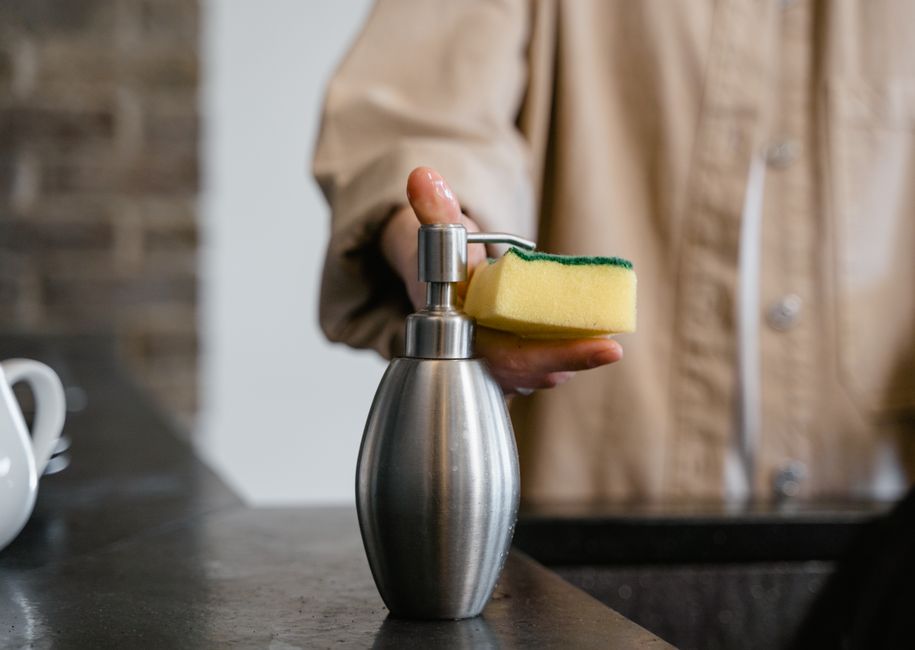
Proper cleaning is the foundation of wooden utensil care. After each use, wash your utensils by hand with a mild dish soap and warm water. Use a sponge or soft brush to remove food particles, and avoid abrasive scrubbers that can scratch the wood. Rinse thoroughly and dry immediately with a clean towel. Do not let them air dry, as prolonged exposure to moisture can cause damage. If your utensils come into contact with raw meat or eggs, sanitize them by wiping with a diluted vinegar solution or a food-safe sanitizer. However, avoid harsh chemicals like bleach, which can break down the wood fibers.
In addition to regular washing, deep cleaning may be necessary if your utensils develop odors or stains. You can create a paste of baking soda and water, apply it to the affected areas, and let it sit for a few minutes before rinsing. For stubborn stains, a light sanding with fine-grit sandpaper can help, followed by re-oiling. It’s also a good idea to inspect your utensils regularly for signs of cracks, splinters, or dark spots that could indicate mold. If you notice any of these issues, it may be time to replace the utensil. With proper care, wooden utensils can last for many years, providing reliable service in your kitchen.
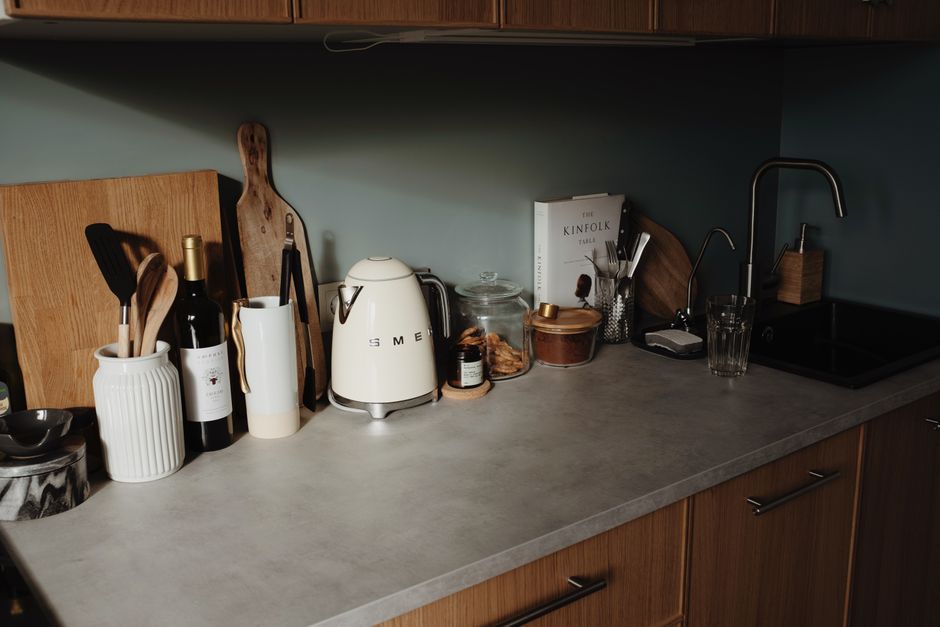
Storage also plays a role in maintenance. Store wooden utensils in a dry, well-ventilated area, such as a utensil holder or drawer, rather than in a closed container where moisture can accumulate. Avoid leaving them in a sink or on a wet countertop. By following these simple practices, you can ensure that your wooden utensils remain safe, functional, and beautiful for countless meals to come.